Home Coffee Notes - Research Publication
Espresso Machine for Cappuccino:
What to Look For
A good cappuccino depends on steady steam, controllable milk texture, and a machine that can keep up when you make two drinks in a row. This guide shows how to match a machine to that job before you compare models.
What a cappuccino asks of a machine
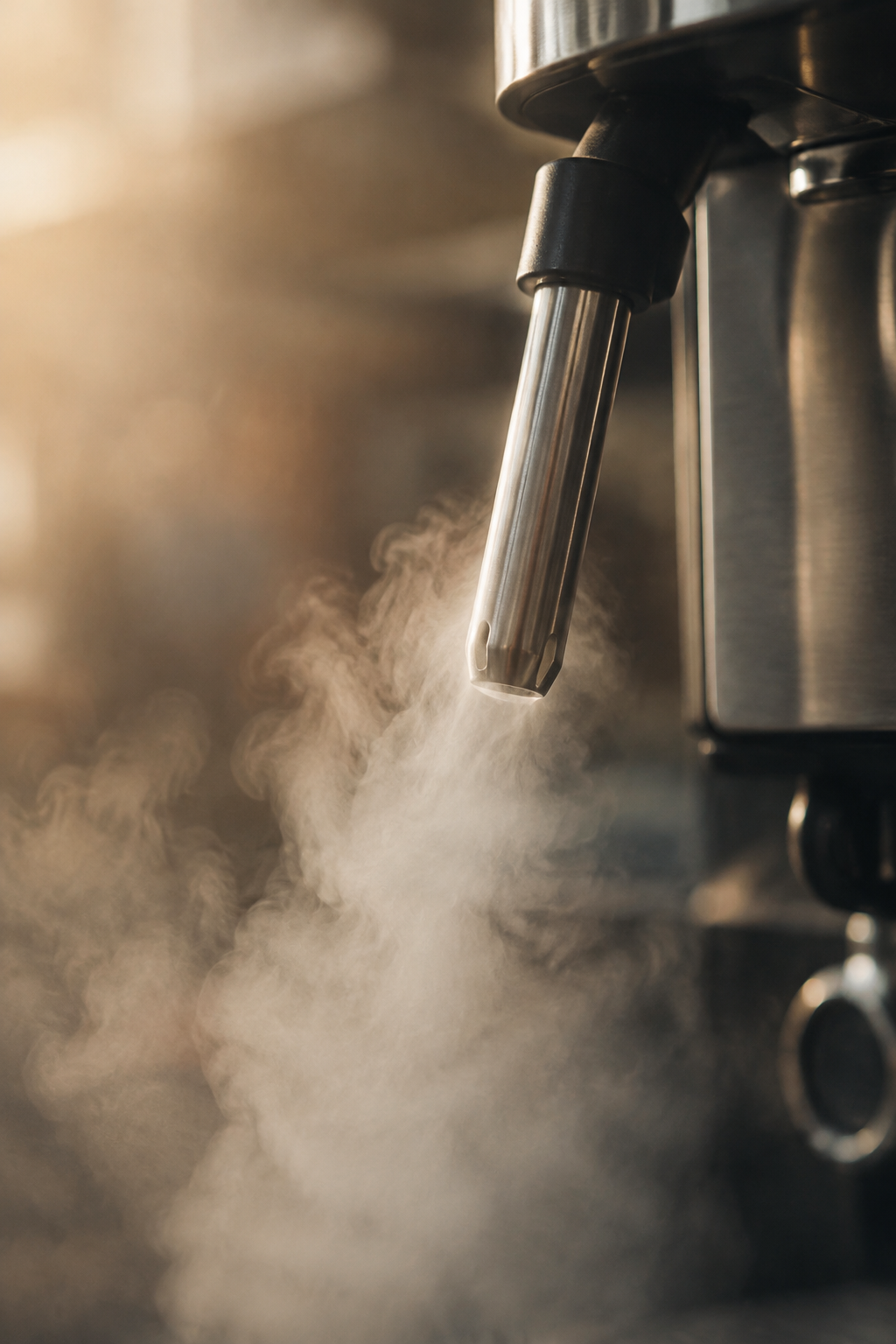
A cappuccino is a shot of espresso under a layer of steamed milk with a thick, velvety foam. Three things decide whether a machine handles it well: steam power that stays steady while you froth, a steam wand you can control by hand or a milk system that repeats the same texture, and a brew temperature that does not drift when you steam right after pulling a shot.
Latte art adds one more requirement. The milk must be fine-textured microfoam, not stiff bubbles. Machines with a manual steam wand give the most control over that texture, and they also demand the most practice.
Steam wand and milk system types
| Milk system | Best for | What to expect |
|---|---|---|
| Manual steam wand | Cappuccino and latte art with hands-on control | Texture depends on your technique; expect repeated practice with the same milk and pitcher before foam holds shape. |
| Automatic milk frother | Repeatable drinks with less technique | Consistent foam at the touch of a button; more parts to rinse and clean. |
| Hand frother or pitcher | Adding foam to a machine without a wand | Works with a separate frothing tool; the machine does not produce the foam. |
Check the steam wand type in the manufacturer's specifications before you buy. Wand design and milk settings vary by model.
Why boiler design affects back-to-back drinks
Single boiler
Best for: Occasional drinks
One boiler handles both brewing and steaming. You wait for the temperature to switch between the two tasks, which slows back-to-back drinks.
Heat exchanger
Best for: Faster workflow
One boiler keeps brew water hot while steam is produced from the same heating system. Steam is available quickly after brewing.
Dual boiler
Best for: High volume
Separate boilers handle brewing and steam, so you can steam milk while the shot is pulling. This design suits people who make several milk drinks.
For a single cappuccino at home, a single-boiler machine with a good steam wand is usually enough. Dual boilers matter most when you make many drinks or want to steam and brew at once.
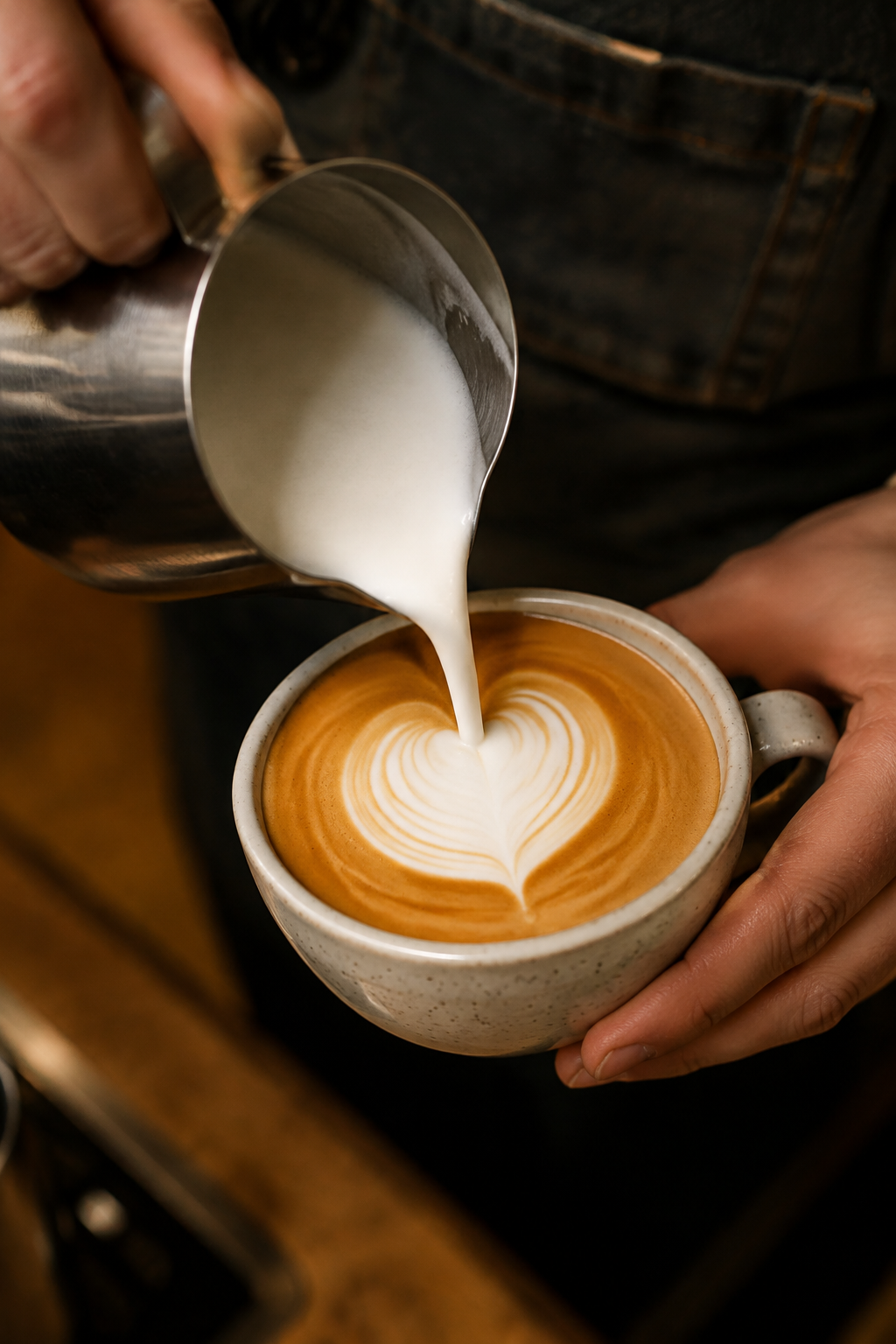
What it takes to pour latte art
Latte art needs three things from the machine: steam that stays steady through the whole pour, a wand position that folds the milk rather than blasting air into it, and enough heat to finish the milk without scalding it. Most people improve by changing one variable at a time: the milk fat level, the pitcher angle, and the pour height.
Plan for repeated practice. Use the same milk and pitcher each session so that you can tell whether the machine or your technique changed.
Machines to shortlist by drink style
Start with the drink you make most often, then match the milk system and boiler design to it.
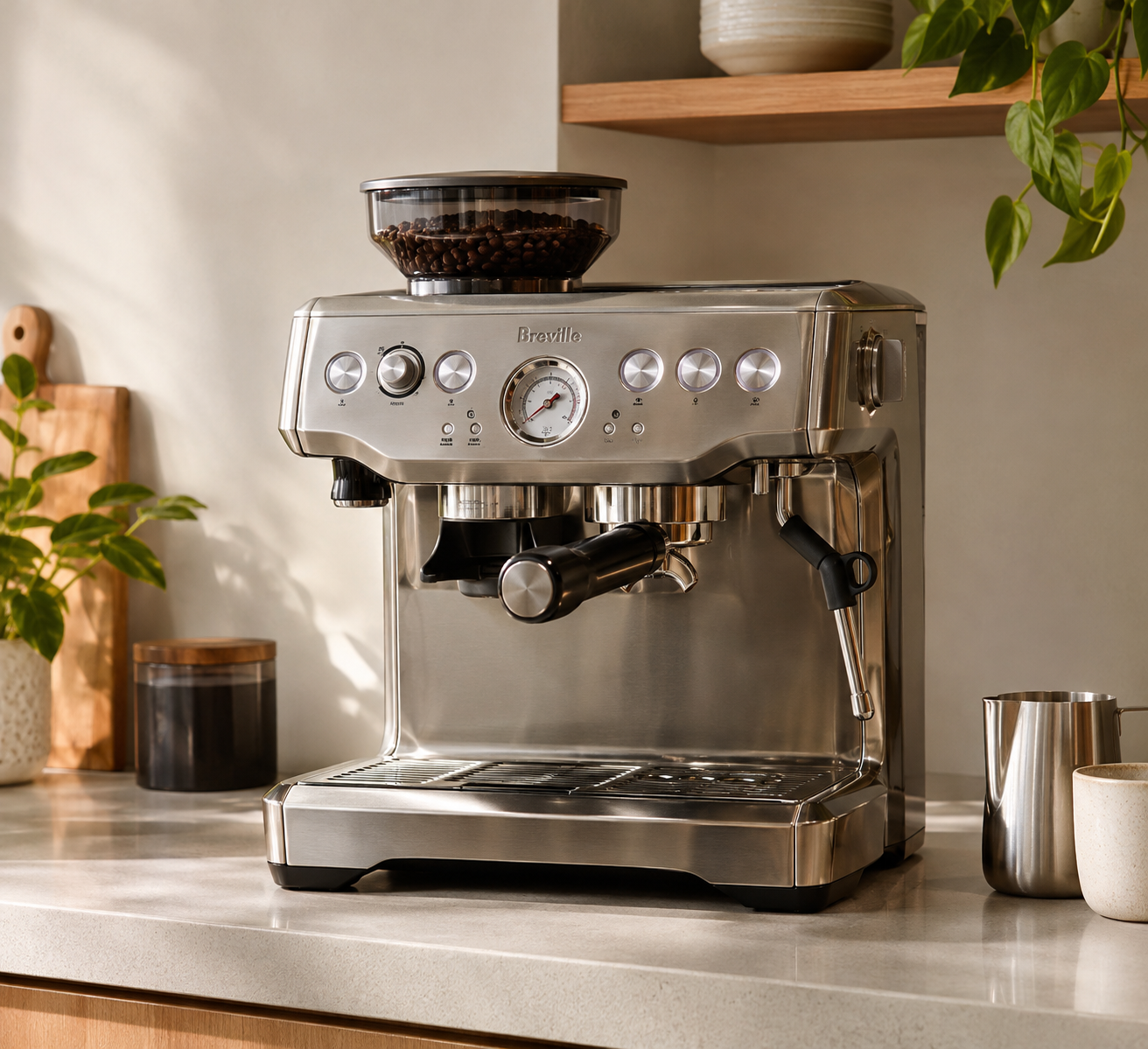
Breville Barista Express
For: Home enthusiasts
A manual steam wand with a built-in grinder, suited to hands-on cappuccino practice at home. The BES870 accepts pre-ground coffee.
Read the Breville Barista Express guide →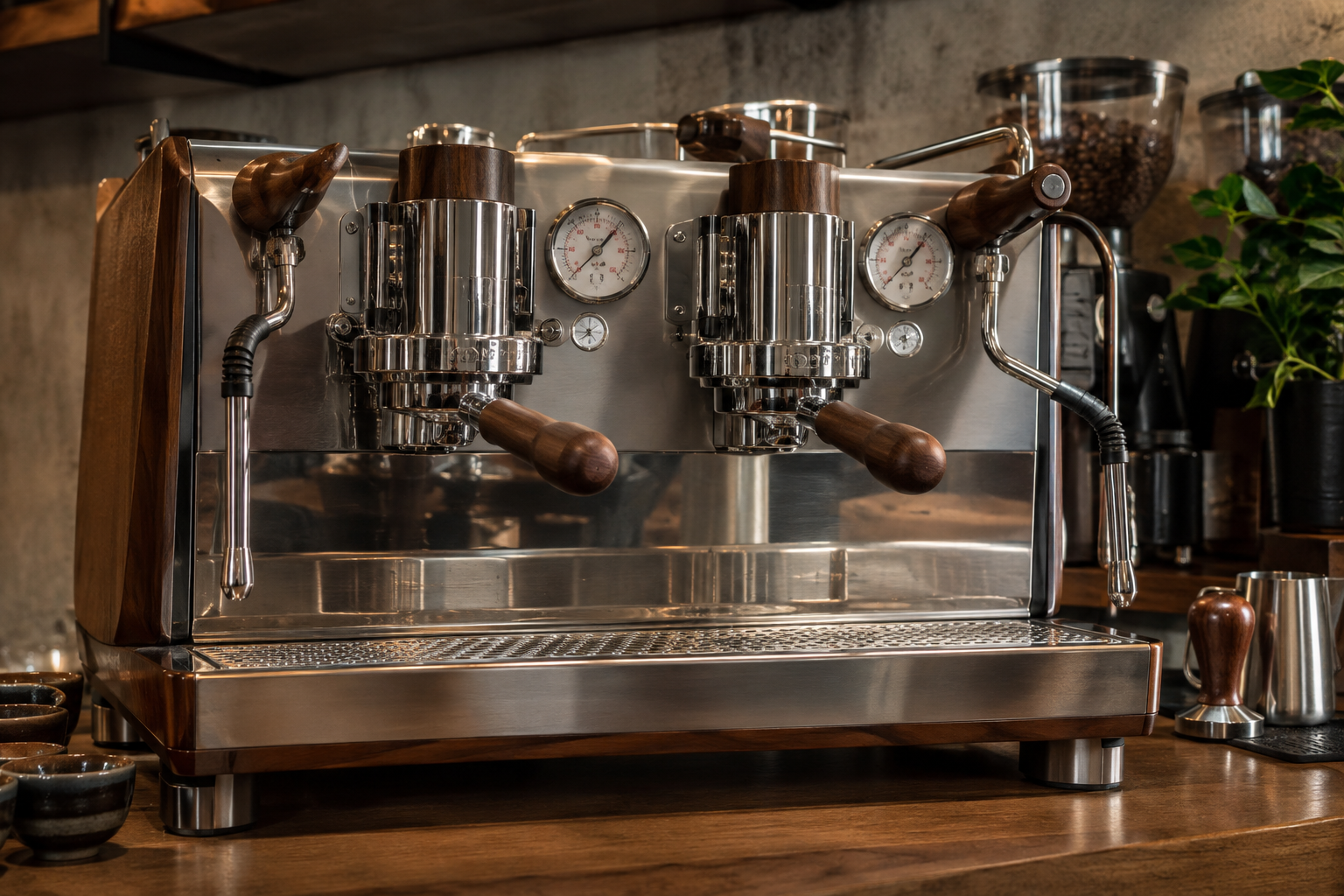
Dual boiler espresso machines
For: Multi-drink households
Separate brewing and steam boilers for people who make several milk drinks in one session or want to steam while the shot pulls.
See dual boiler espresso machines →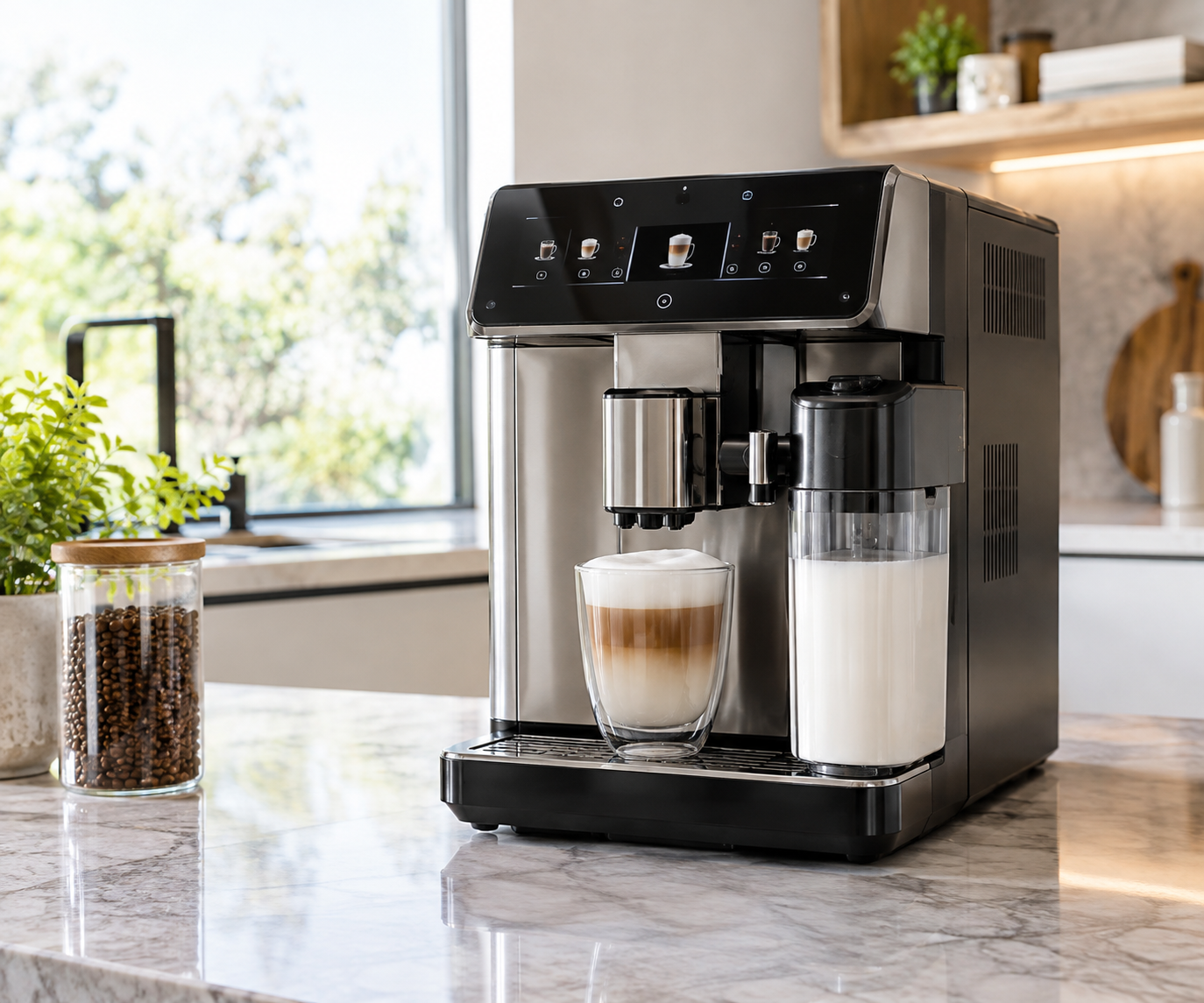
Super-automatic espresso machines
For: Consistency over art
Built-in milk systems that repeat the same drink with little technique, suited to households that want consistency.
See super-automatic machines →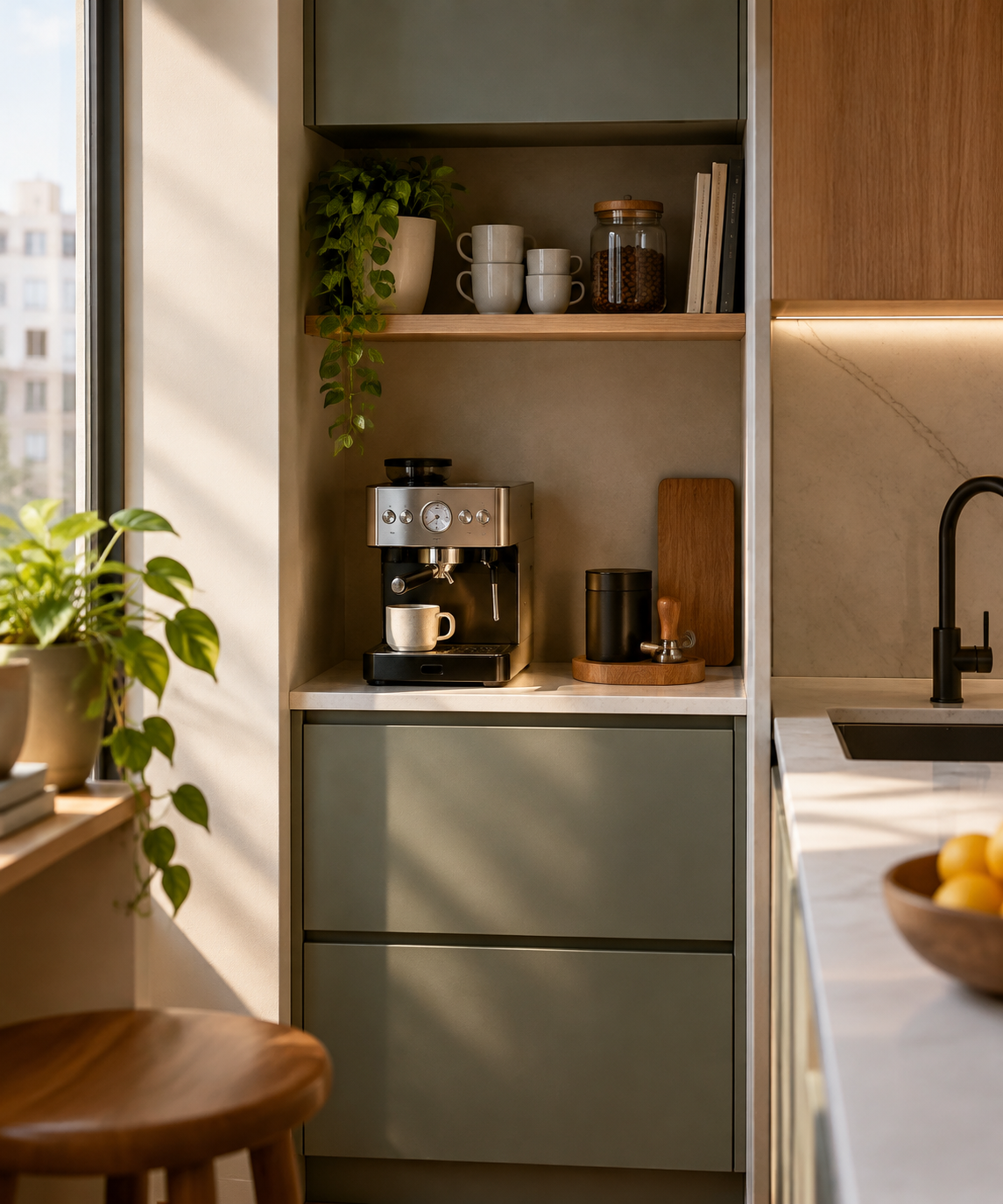
Compact espresso machines
For: Limited counter space
Smaller footprints for kitchens and offices. Confirm steam wand type and boiler design for each model before you buy.
See compact espresso machines →Where the budget goes
At lower prices, machines usually have a simpler boiler design and a steam wand that takes more practice to control. Spending more typically buys a separate steam boiler, a more stable steam system, or an automatic milk system.
Ongoing cost matters too. Beans, milk, and filters add up with every cappuccino.
Checklist before you buy
Final technical considerations before confirming your choice.
Milk System Choice
Choose a manual steam wand if you want to learn latte art; choose an automatic milk system if you want the same drink every time.
Boiler Configuration
Choose a dual boiler if you regularly make two or more milk drinks back to back.
Technical Specs
Confirm the steam wand type and boiler design in the manufacturer's specifications.
Grinder Compatibility
Check whether the machine accepts pre-ground coffee if you already own a grinder.
Maintenance Plan
Plan for cleaning time, including milk line rinsing and wand wiping after every drink.
Frequently asked questions
Can a basic espresso machine make a good cappuccino?
Yes, if it has a steam wand you can control and the milk is steamed with steady pressure. Foam quality depends more on technique and milk than on price alone.
Do I need a dual boiler for cappuccino?
Not for a single drink. A dual boiler helps when you make several milk drinks in a row or want to steam while brewing.
Is an automatic milk frother better for latte art?
No. An automatic frother gives consistent foam, while latte art usually depends on a manual steam wand that you can control.
Does the grinder matter for cappuccino?
The grinder affects shot quality, which affects the cappuccino's flavor. Milk texture comes mainly from the steam system, so a machine's steam wand matters for foam even when the grinder is strong.
Where should I check the current price?
Prices change often. Check the retailer listing for the current price before you buy.
Compare espresso machines before you choose
Start with the machine category that fits your drink, your counter space, and how many drinks you make in one session.
Detailed comparisons of steam systems and boiler designs.